Choosing the wrong venue can compromise your entire event
Why a properly managed site visit should happen before you commit to an event space.
A venue can look perfect on paper. With the right capacity, a convenient location, attractive interiors and a quotation that fits your budget, it almost invites you to sign the contract immediately. It's understandable: the photos look promising, the sales team is responsive, and the available dates match your schedule. What could possibly go wrong?
Quite a lot, in fact.
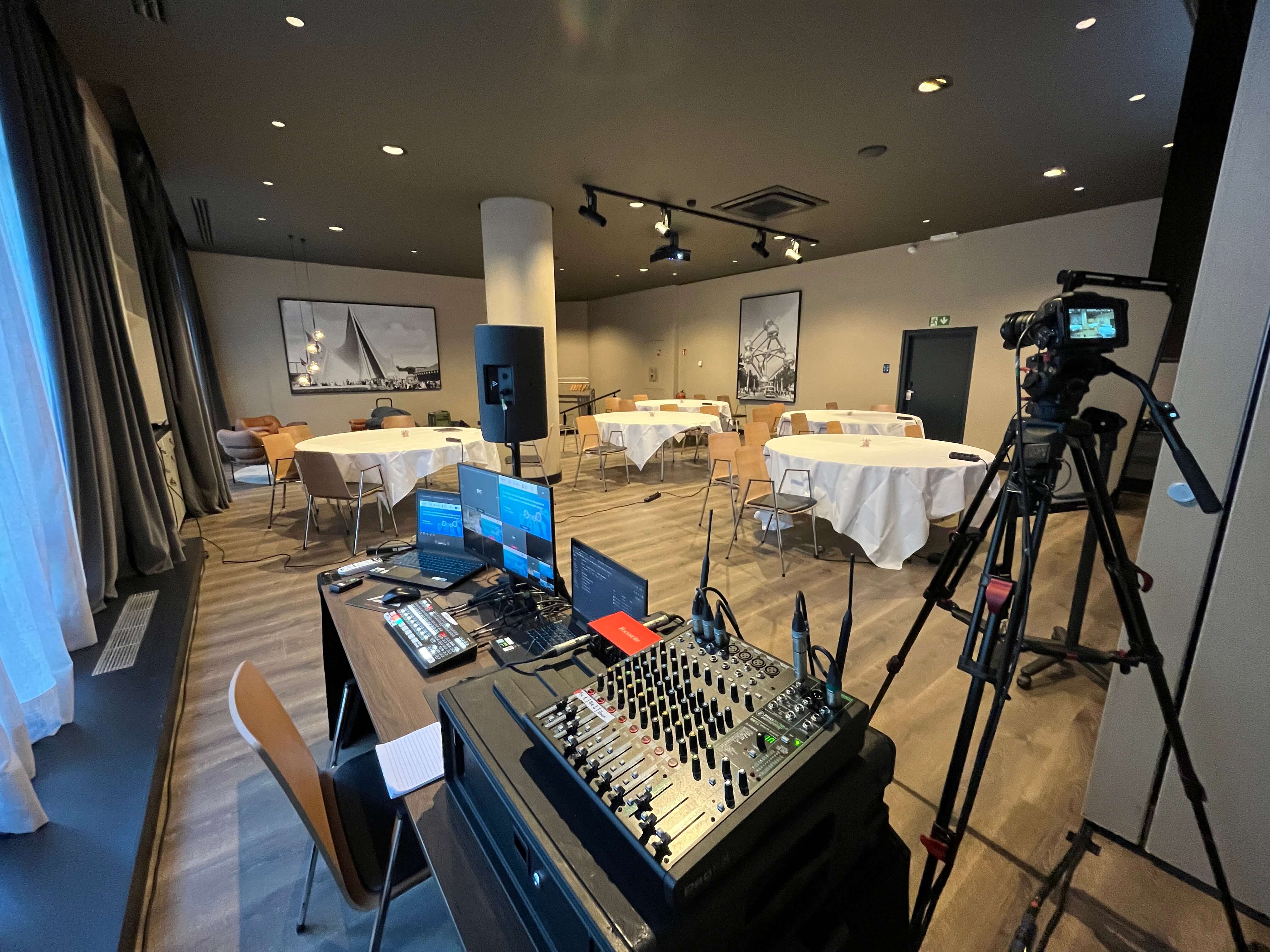
A room that accommodates 300 people for a seated dinner may struggle to host 200 delegates with a stage, interpretation booths, camera platforms and technical equipment. An impressive entrance might become a bottleneck during registration, while a beautiful networking area could turn out to be completely unsuitable for catering.
These are the kinds of problems that become expensive once a contract has been signed. This is why venue selection should start with a clear understanding of the event's objectives, format and operational requirements, followed by a proper site visit to establish whether the space can genuinely accommodate them.
How do you choose the right venue for your event?
The first question when choosing a venue should not be how many people it can accommodate, but what needs to happen inside it and how to make it happen. A policy conference with parallel discussions, a high-level summit with security requirements, an interactive workshop and an evening networking reception all place different demands on a space. Capacity is just the first consideration; it tells you very little about whether the venue can support the experience you want to create.
Before approaching potential venues, the event concept needs to be translated into practical requirements. How large should the stage be? Will participants move between plenary and breakout rooms? Does the programme require interpretation, livestreaming or dedicated spaces for speakers and VIPs? Where will networking take place, and how much time is available for participants to move between activities? These decisions should inform the venue search rather than being negotiated around the limitations of a space selected too early.
The risk of reversing this process is that the original programme gradually gives way to a series of compromises. How disappointing would it be to abandon an expensive, ambitious stage concept because the ceiling cannot accommodate the required equipment? The venue should match the format, not the other way around.
Why is a site visit essential before booking an event venue?
Floor plans, capacity charts and promotional photographs are useful starting points, but they cannot tell the whole story. A site visit allows the event team to understand how the space actually functions, identify restrictions and test assumptions before committing to a contract. It is also an opportunity to bring together the operational, creative and technical perspectives that may otherwise be considered separately.
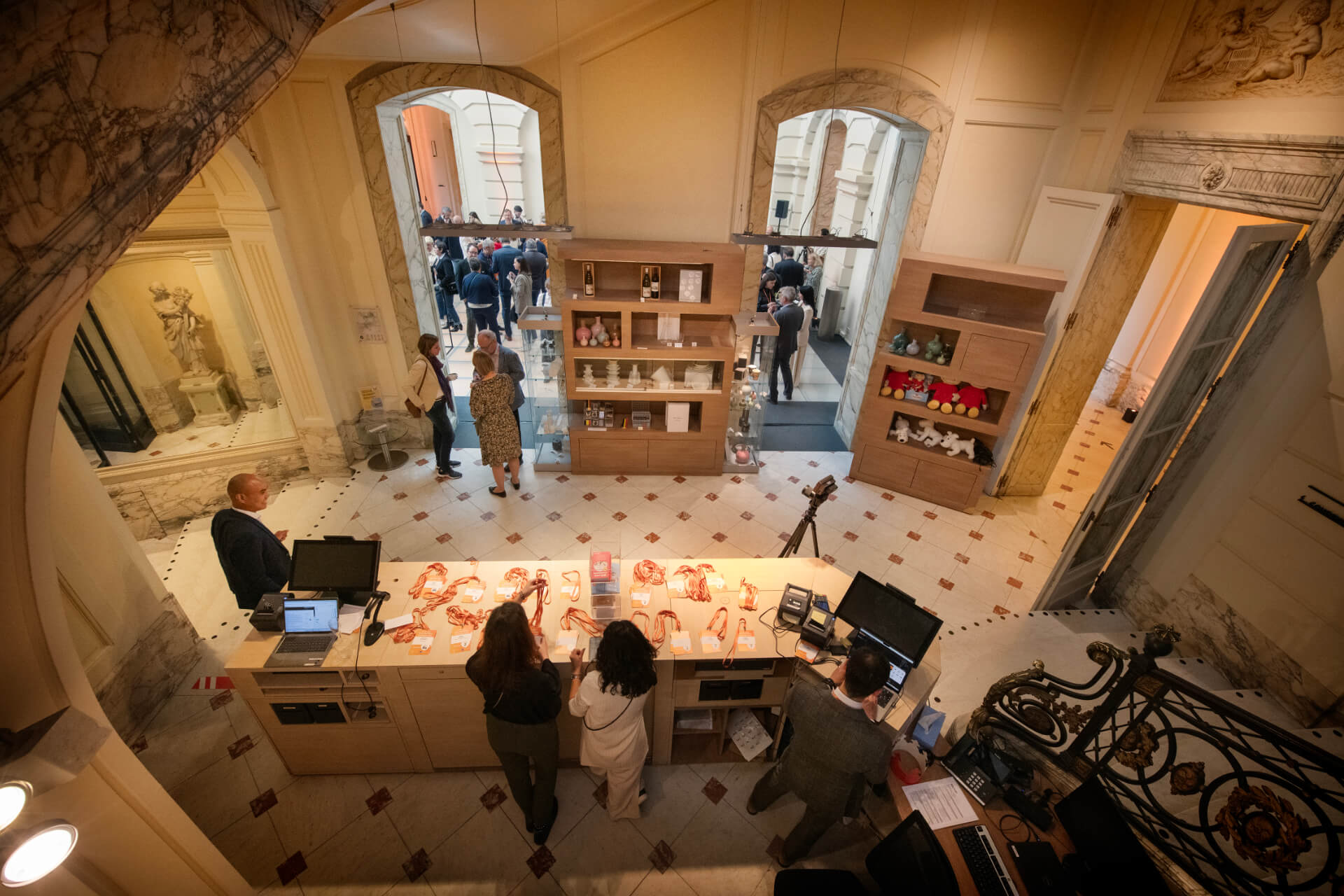
Walking through the venue as a participant is particularly revealing. A layout that appears perfectly reasonable on a drawing may reveal significant circulation problems when examined in person. Ask yourself: what would happen in this corridor if 200 people left the plenary and headed to the cafeteria at the same time?
The same applies behind the scenes. During a site visit, the team can inspect loading access, storage areas, service lifts and electrical infrastructure. It is the moment to ask practical questions, take measurements, document restrictions and involve relevant suppliers where necessary.
What should you check during an event venue site visit?
A proper site visit needs to go beyond admiring the main conference room. Every element that could affect the programme, participant experience or production schedule deserves attention. Some restrictions are immediately visible, while others only emerge when the right questions are asked.
Here are the main areas we examine when assessing whether a venue can support an event:
.png)
These elements need to be considered together because a restriction in one area can affect several others. The amount of logistics support staff depends directly on how efficient loading access is, to name one example. And the logic applies everywhere; even seemingly minor restrictions can create a chain reaction across the event.
The purpose of the site visit is therefore to map these dependencies while there is still room to make decisions. Measurements, photographs, technical specifications and conversations with the venue team help establish what is possible, what needs adapting and what may introduce unnecessary costs or risks. Ideally, these findings should be consolidated into a practical assessment rather than left scattered across emails and individual notes.
How can venue restrictions affect your event budget and production?
A venue quotation may appear competitive until the operational requirements are examined in detail. Mandatory catering partners, exclusive audiovisual suppliers, additional security are some exaples of hidden surprises that can substantially change the final cost. Comparing venues based on their initial rental price alone can therefore create a misleading picture of their actual value.
How does haca.studio help organisations choose the right event venue?
Venue selection requires a combination of strategic thinking, operational knowledge and the ability to anticipate how an event will function in practice. haca.studio begins by understanding what the event needs to achieve, how the programme should work and what kind of experience participants should have. From there, we translate the concept into venue requirements and identify spaces worth investigating.
We help organisations compare options beyond their capacity and rental price, coordinate and conduct site visits, assess technical and logistical feasibility, and identify restrictions that could affect the programme or budget. Rather than leaving clients to discover these issues through separate conversations with venues and suppliers, we bring the different requirements together and evaluate how they interact. This also helps us identify opportunities that might not be immediately obvious, such as alternative room configurations or more efficient ways to use the available infrastructure.
Our role is to make sure the venue decision is informed by what the event actually needs. That means asking the difficult questions early, challenging assumptions where necessary and proposing workable solutions before commitments are made.
A venue does not have to be perfect in every respect. Some limitations can be addressed through thoughtful planning, technical adaptations or adjustments to the production approach. What matters is understanding those limitations, their consequences and their costs before making a final decision.
The right venue is not necessarily the one that looks best during the first visit. It is the one that allows your event to work as intended, from the first supplier delivery to the departure of the last participant.
Conclusion
Read more
Discover more of our journals, a treasure trove of valuable insights, practical tips, and industry trends that will take your events to the next level.


.jpg)
.jpg)












.avif)