Your participants came to network. Did your event give them the chance?
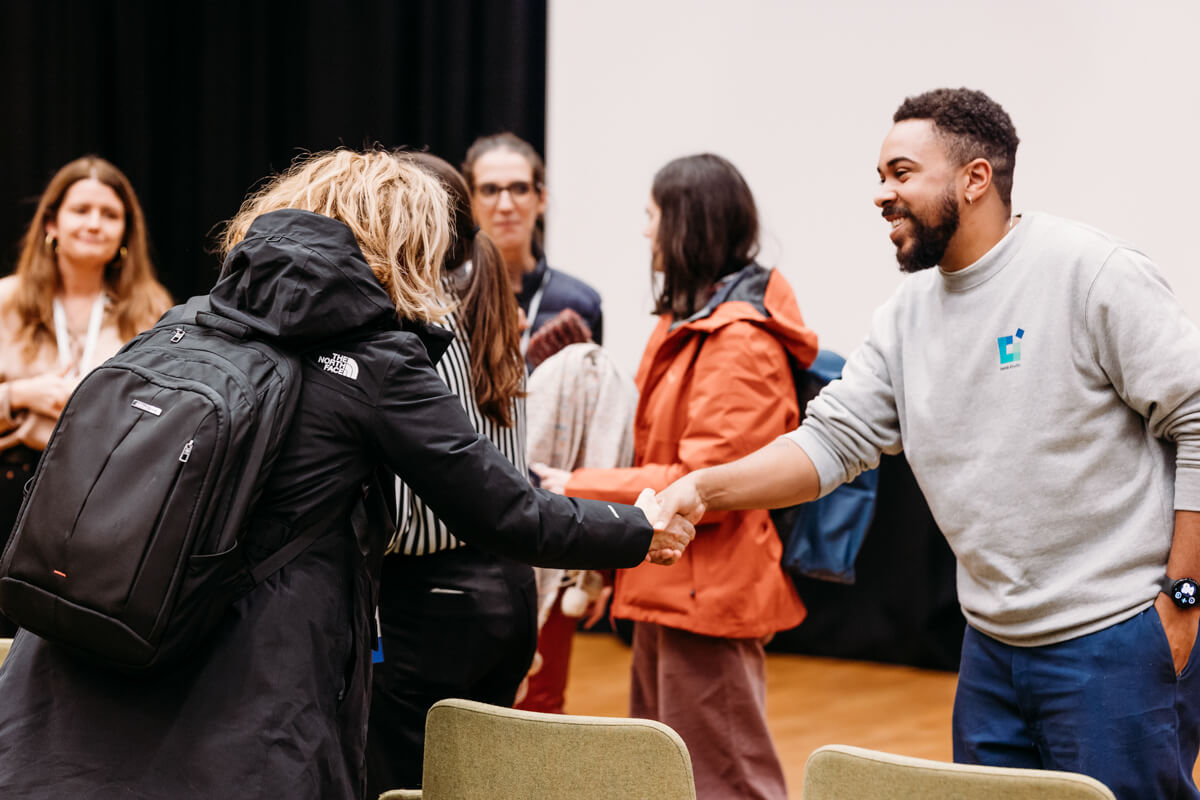
Networking is one of the main reasons people attend conferences, summits and institutional gatherings. They want to meet potential partners, exchange ideas, explore collaborations and build relationships that extend beyond the event itself.
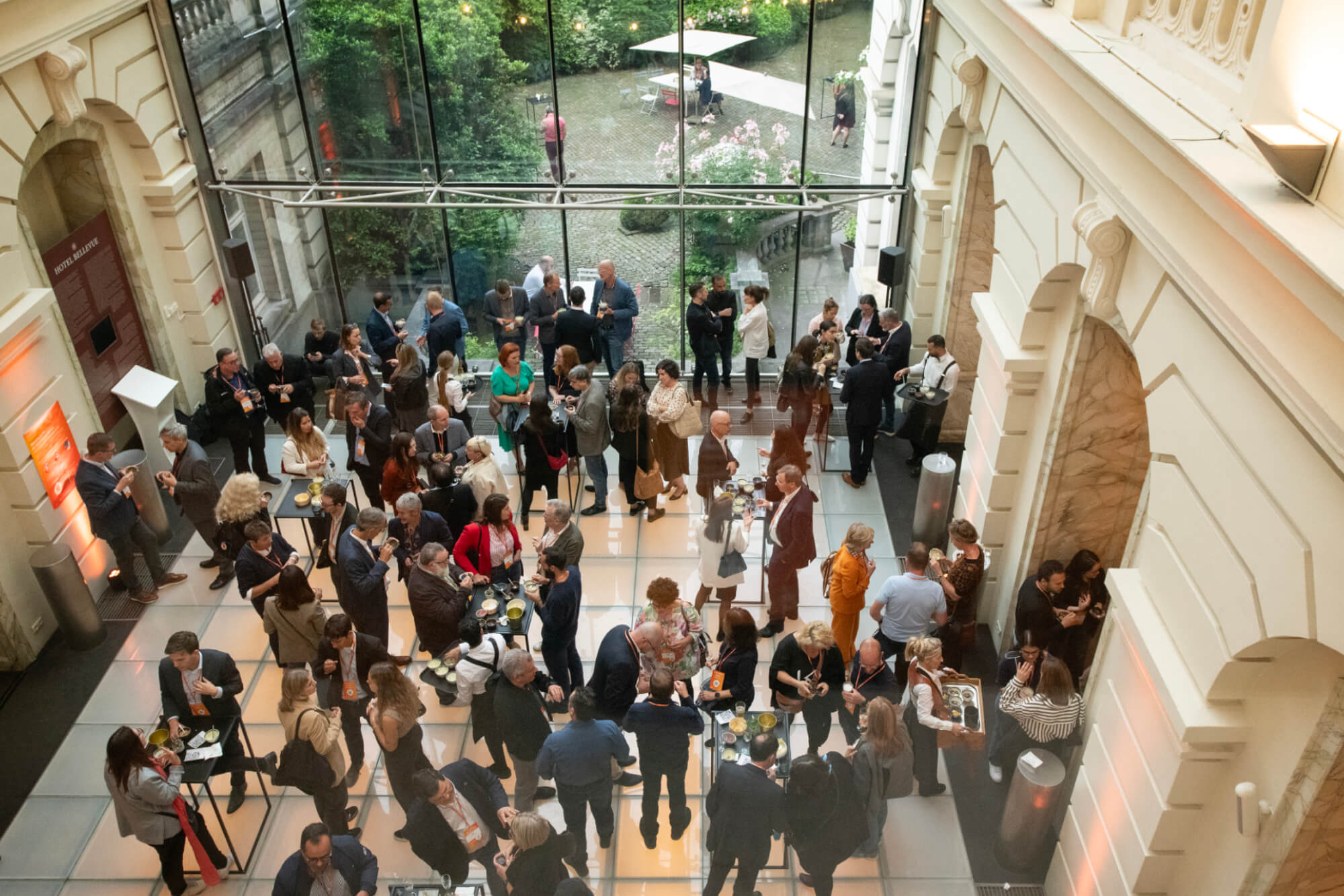
How come, then, networking usually receives surprisingly little attention during event planning? With programmes focused on presentations and coffee breaks squeezed between sessions, meaningful exchanges are expected to happen naturally in whatever time remains. The outcome is an event filled with people that are eager to exchange ideas but end up with very limited opportunities to connect.
If networking is one of the reasons people attend your event, it should also be one of the core aspects to consider when designing it.
Why do conferences leave networking to chance?
When developing a conference programme, organisers understandably prioritise speakers, session topics and institutional representation. As more content is added, the time available for informal interaction gradually disappears.
Even dedicated networking receptions can fall short. Participants gravitate towards familiar faces, while newcomers struggle to enter established groups. This is particularly relevant for institutional gatherings, where professional hierarchies and existing relationships can influence who connects with whom.
Leaving networking to chance often benefits those who already have strong networks. Creating opportunities for meaningful exchanges requires a deliberate approach to programming, stakeholder mapping and the participant experience.
Event advisory: helping your internal team design better networking opportunities
Many organisations have experienced communications, policy or project teams capable of organising their own events. They know their stakeholders, understand their institutional environment and can manage the practical work. What they may lack is specialised event expertise to challenge assumptions, evaluate formats and translate networking objectives into an effective experience.
This is where event advisory can make a difference.
Rather than outsourcing the entire event, organisations can work with an external expert to review their approach, identify missed opportunities and make better-informed decisions while retaining control of delivery.
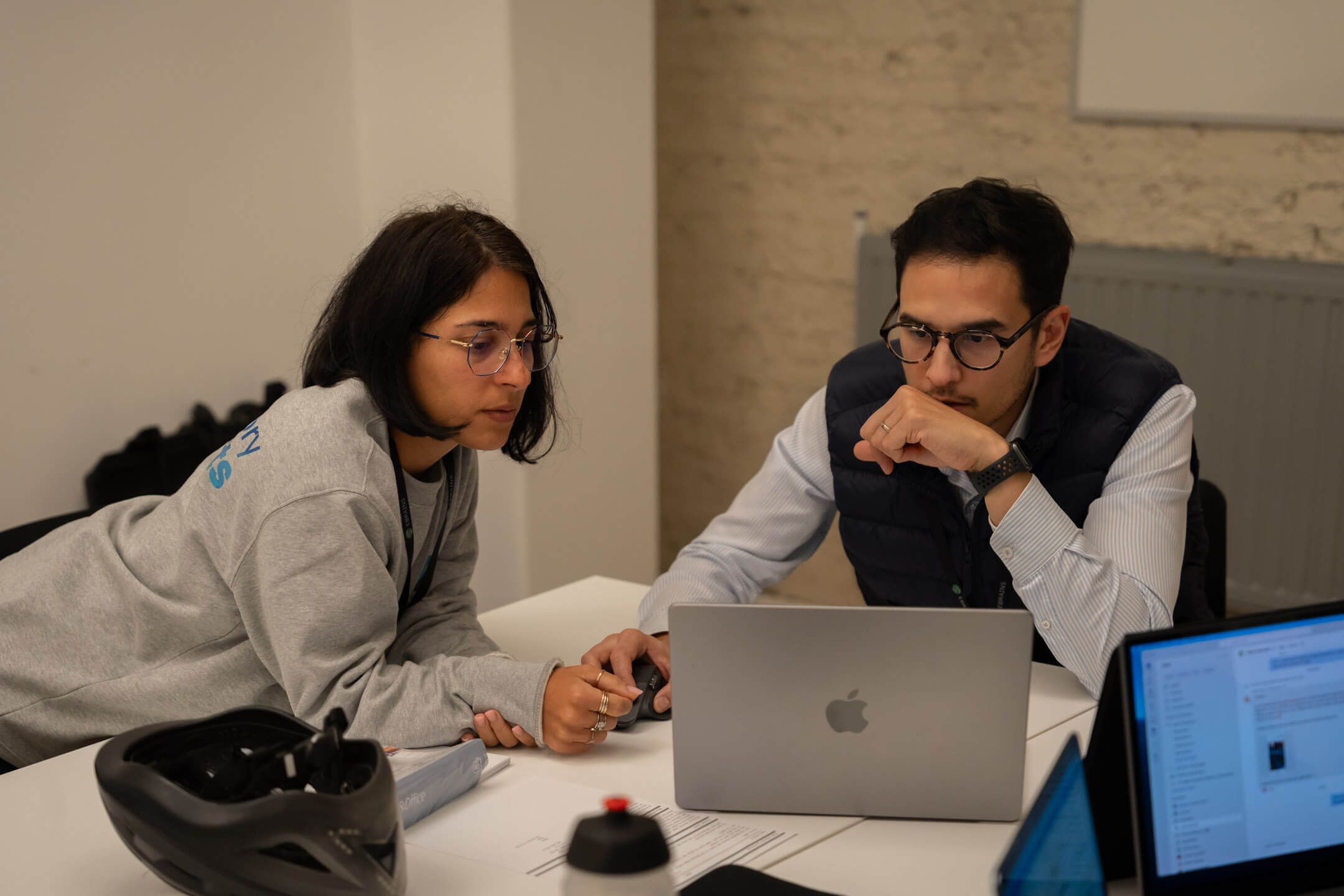
For example, advisory support can help an internal team assess whether its agenda provides sufficient time for exchanges, identify which stakeholder groups should interact and select networking formats appropriate to the audience. It can also guide decisions about room layouts, participant communication and the role of facilitators. The objective is to give the team a clear direction and practical solutions it can implement using its own resources.
Your team remains in charge of organising the event, with specialist guidance to ensure networking receives the strategic attention it deserves.
Full event management: designing networking into the entire experience
Other organisations prefer to delegate event design and delivery to a specialised agency, particularly when managing larger conferences, international participants or complex programmes involving multiple stakeholders.
With full event management, networking can be integrated into the entire event experience, from the initial concept to on-site coordination.
This starts with understanding the event's objectives and audience. Stakeholder mapping helps identify valuable interactions, while programme design creates opportunities for those exchanges through thematic discussions, facilitated introductions, matchmaking activities and appropriately timed breaks.
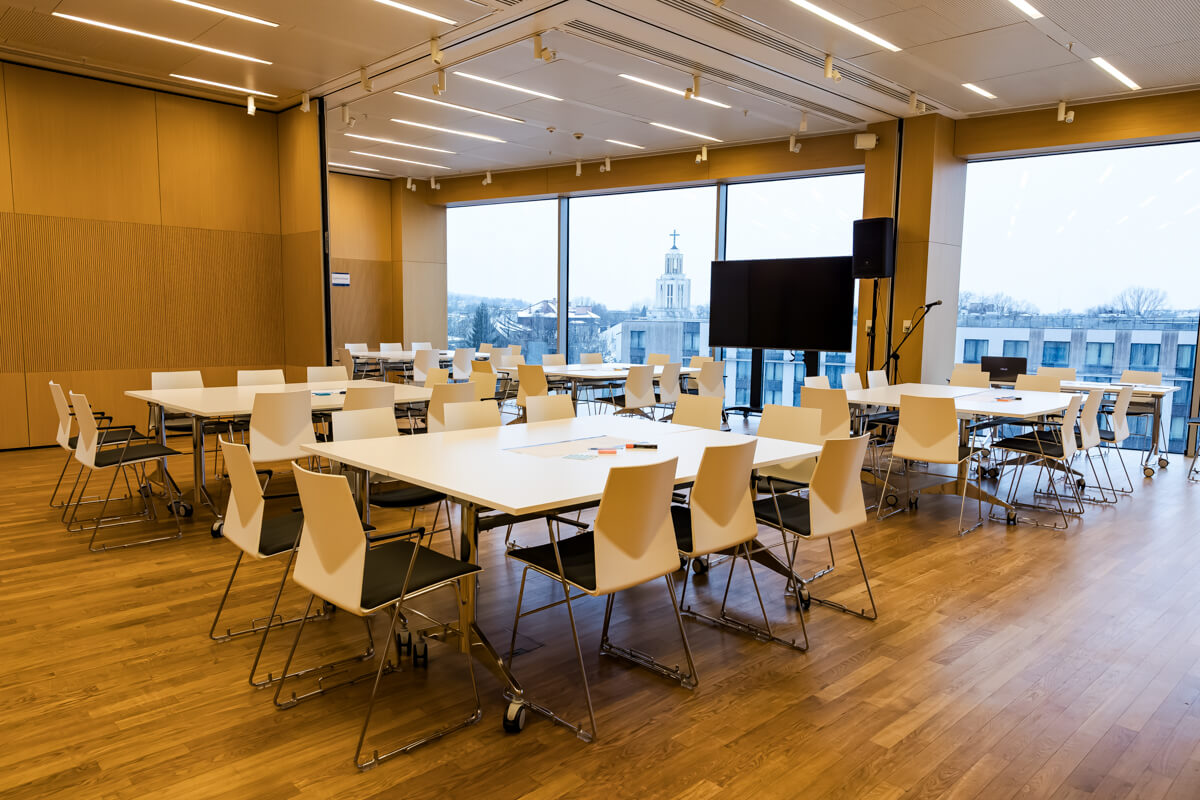
The physical environment is planned around these objectives, too. Room configurations, seating, acoustics, catering stations and circulation all influence how comfortably participants can interact.
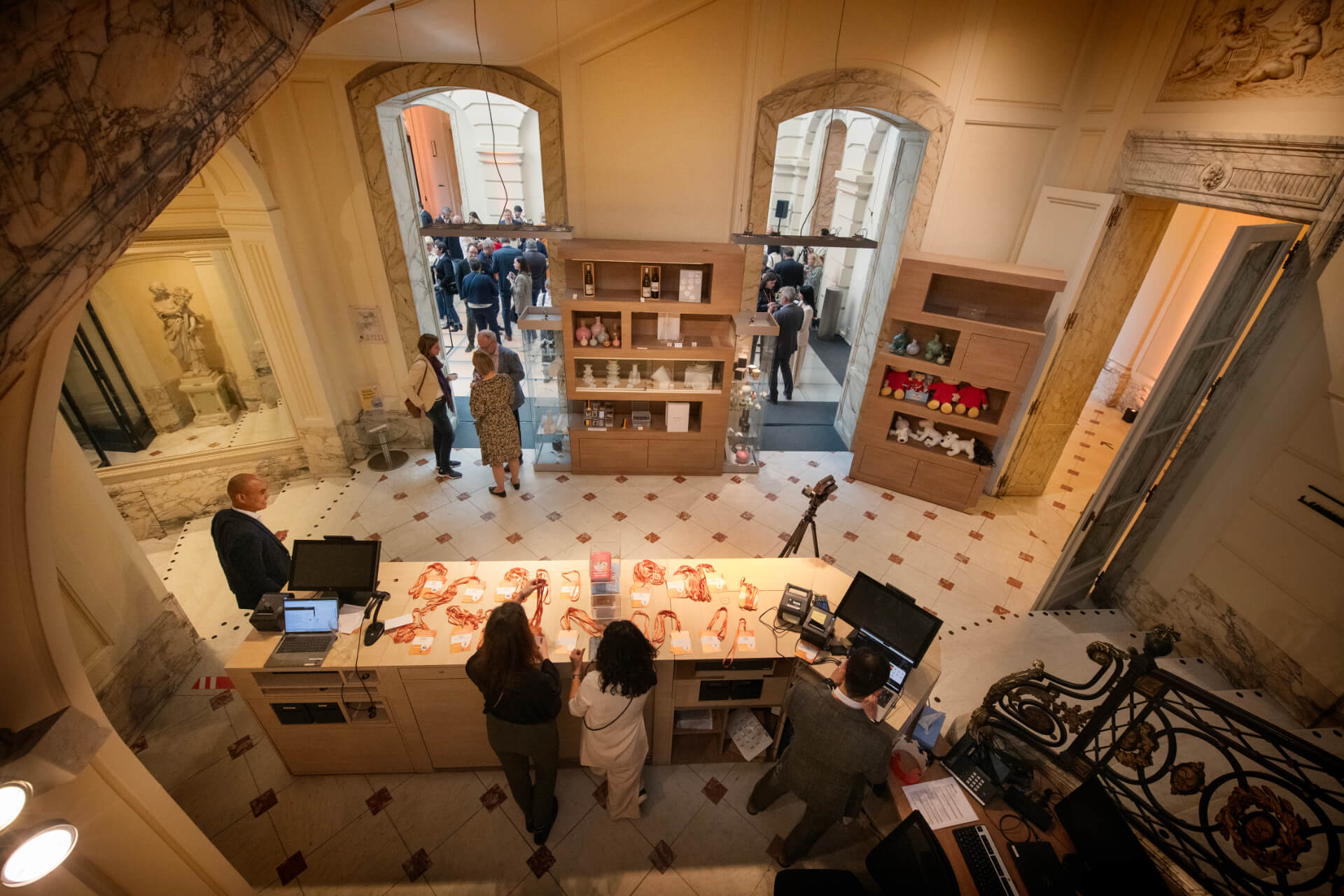
On the day, the agency coordinates the different elements to ensure networking opportunities work as intended. Facilitator briefing, space setting, transition management and a purposeful programme are all key elements in allowing conversations to develop without unnecessary interruptions.
The advantage is having one team responsible for connecting strategic decisions with operational delivery, ensuring that networking objectives remain central throughout the process.
Two approaches, one objective: creating meaningful connections
Whether an organisation manages its event internally or delegates the entire process, the principles remain the same. Networking requires clear objectives, appropriate formats, sufficient time and spaces that encourage interaction. Pre-event communication can help participants identify relevant connections, while follow-up activities can extend the value of conversations beyond the gathering itself.
The difference lies in the level of support the organisation needs.
Event advisory provides direction, expertise and practical recommendations to teams that want to remain responsible for implementation. Full event management brings together the strategy, creative design, logistics and on-site coordination under one experienced partner.
haca.studio offers both approaches because organisations have different internal resources, needs and ways of working. Our role is to help create an event experience that supports the connections participants came to make.
Your participants made the effort to be in the same room. Whether your team organises the event or we manage it for you, let's make sure they have a genuine opportunity to connect.
Conclusion
Read more
Discover more of our journals, a treasure trove of valuable insights, practical tips, and industry trends that will take your events to the next level.