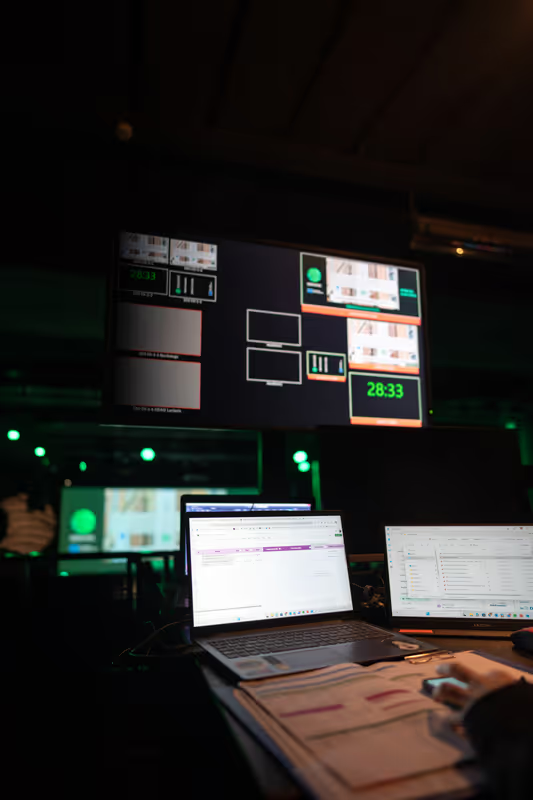
When logistics are an afterthought, the event pays the price
The way your organisation determines the workflow surrounding your upcoming event may seem intuitive at a first glance. For instance, many teams treat event logistics as a last-minute step in the process, or even an afterthought. But this mistake can be fatal.
The way your organisation determines the workflow surrounding your upcoming event may seem intuitive at a first glance. For instance, many teams treat event logistics as a last-minute step in the process, or even an afterthought. But this mistake can be fatal.
Registration, security, signage, catering, accessibility, cloakrooms, room changes and supplier access all influence one another. A decision in one area can quickly affect the rest of the event, which is why logistics need to be considered early, in detail and as part of the wider planning process.
The goal is not simply to make sure every task has been assigned. It is to make sure all those tasks can realistically work together on event day.
When should event logistics planning begin?
Logistics planning should start as the main parameters of the event are being discussed, including the venue, audience size, format and programme structure. Starting early gives organisers time to identify potential challenges and adjust the event while there is still flexibility.
Why should event logistics be planned holistically?
Participants experience the event as one continuous journey, not as separate services.
They arrive, pass through security, register, find the right room, move between sessions, use catering areas and eventually leave the venue. If one part of that journey is poorly planned, it can affect everything that follows.
Holistic planning means looking at timings, venue layout, participant movement, suppliers and staffing together rather than treating each operational area separately.
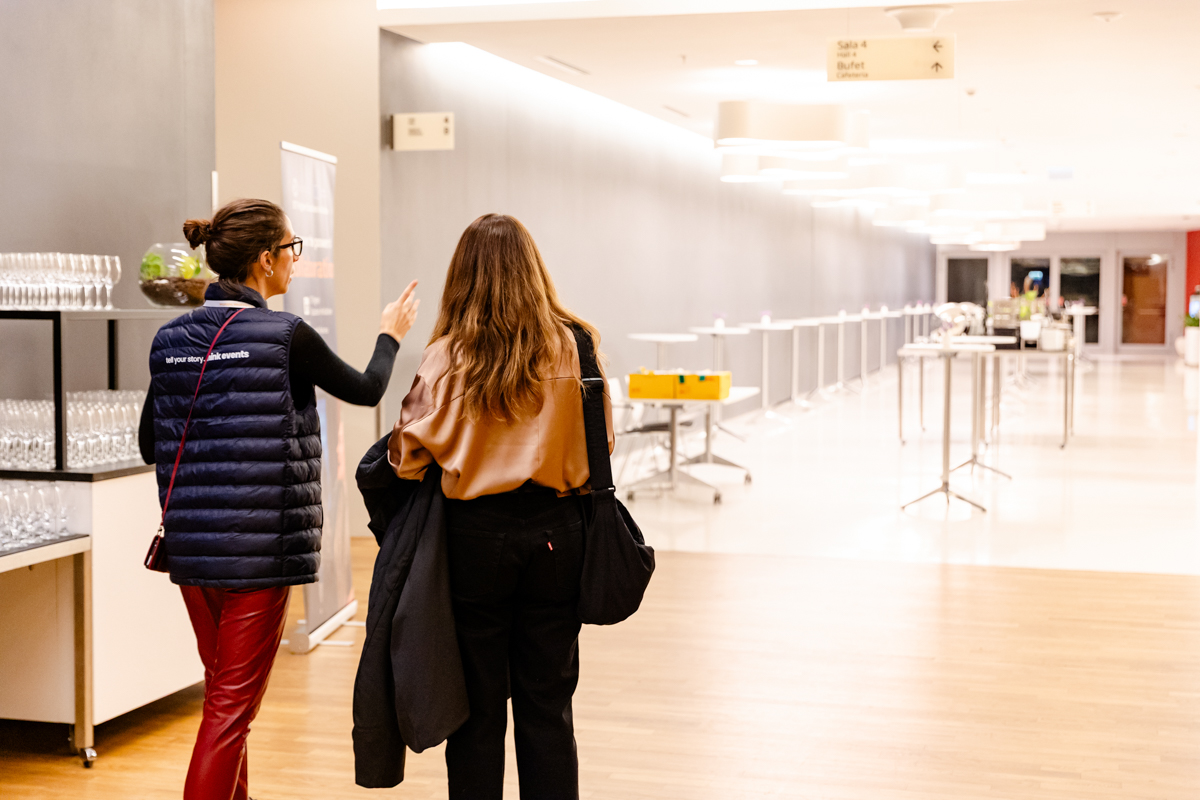
How detailed does event logistics planning need to be?
Good logistics planning tests whether the event will work under real conditions.
How many people may arrive at once? Is the registration area big enough to handle such an influx? Are breaks long enough for room changes and catering considering the distances within the venue? How can suppliers access the venue without disrupting participants? How long do they need to get where they need to be? Are accessible routes practical throughout the event?
Site visits and detailed operational planning help identify issues that may not be obvious from an agenda or floor plan alone, allowing organisations to change route if a venue doesn't accommodate the complexity of the logistics required by the number of participants and the programme.
This is also where clear responsibilities matter. Teams need to know who owns each area, who makes decisions when something changes and how information will be communicated across suppliers and staff.
How does haca.studio help organisations prepare event logistics?
At haca.studio, we integrate logistics into the planning process from the beginning.
We connect the programme, participant journey, venue, suppliers, registration, catering, staffing, accessibility and technical requirements so that operational decisions support each other rather than compete.
We also help define realistic timings, responsibilities and contingency plans before event day, giving teams a clear structure to work from onsite.
Strong event logistics come from planning early, examining the details and understanding how every practical decision affects the wider event.
Conclusion
Read more
Discover more of our journals, a treasure trove of valuable insights, practical tips, and industry trends that will take your events to the next level.


.jpg)
.jpg)













.avif)