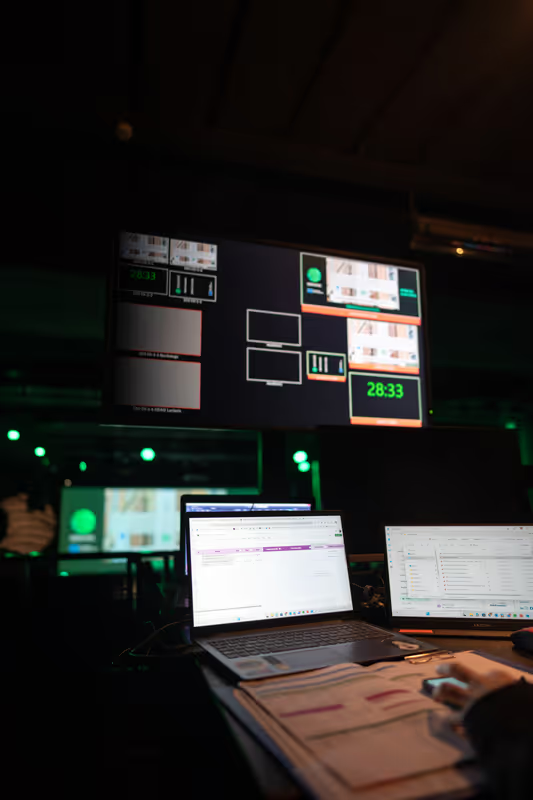
The importance of in-person events and community in times of AI revolution
We are moving fast. AI tools are reshaping how we write, design, and make decisions. Production is quicker, access to information is constant, and ideas circulate almost instantly. In this context, it would be easy to assume that in-person events are becoming less relevant. In reality, the opposite is happening.
When everything can be generated and shared at speed, what starts to become more valuable is not information but connection. People are no longer attending events just to learn something new in a traditional sense. Most of that knowledge is already available before they even walk into the room. What they are looking for instead is a way to make sense of it, to hear how others are interpreting the same changes, and to position themselves within that conversation.
Community as a shared framework
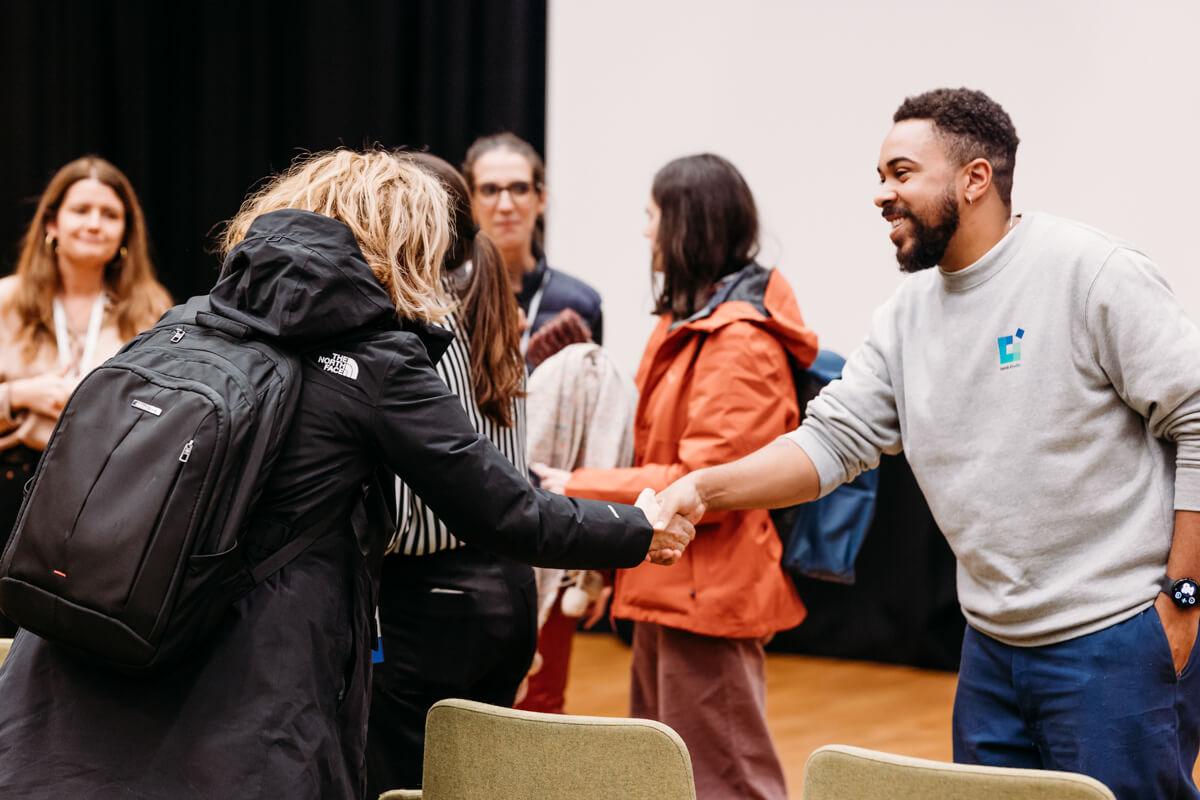
This is where community becomes essential. In-person events create a shared environment where the context can be interpreted, challenged, and refined in real time. They make space for nuance, for disagreement, and for moments of alignment that are difficult to replicate through digital tools. This is something we have explored in our thinking around designing experiences from arrival to wrap-up. The impact of an event does not come only from its formal content, but from everything that surrounds it, including the informal exchanges that build trust over time.
The role of space and preparation
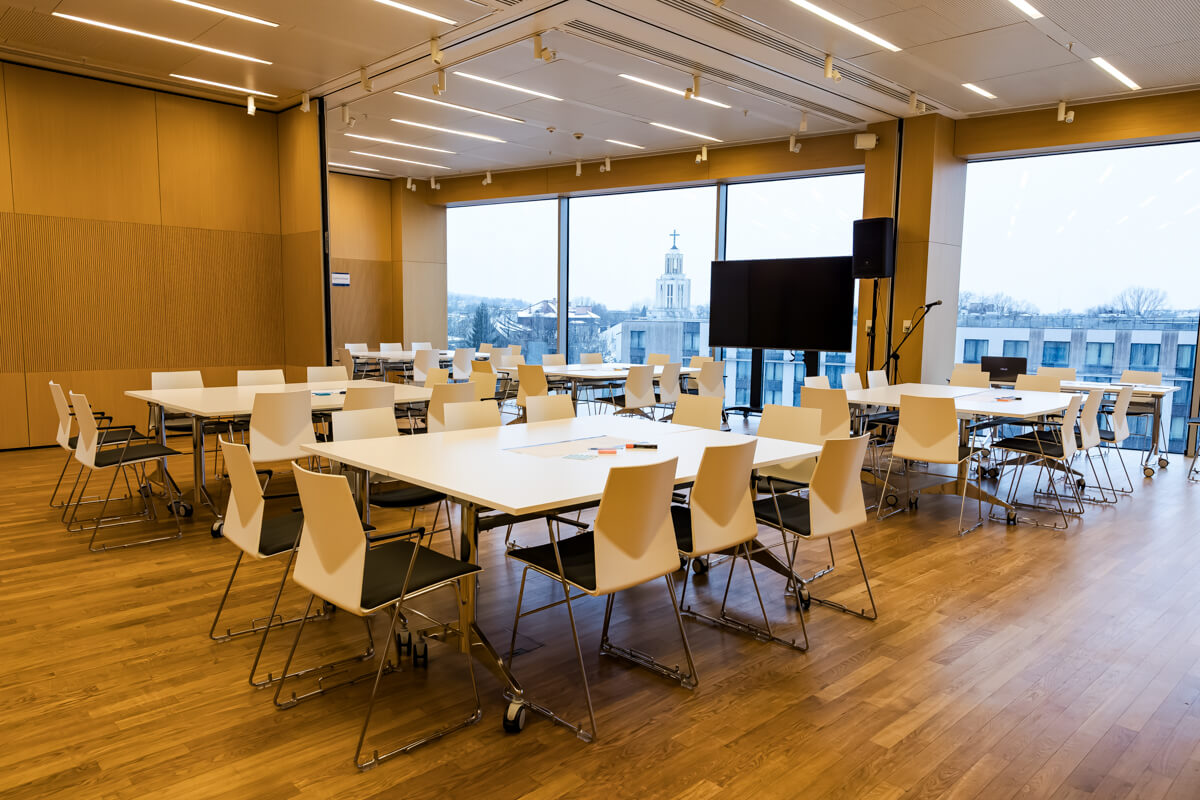
The role of the physical space is just as important. A venue is not only a logistical choice, it directly shapes how people interact. This is why preparation and site visits matter. Understanding how people will move, where they will naturally gather, and how visibility works within a space helps create the right conditions for meaningful exchange. It ties back to how we approach venue selection and the importance of thinking beyond capacity or location.
Avoiding repetition
When events rely on the same formats and rhythms, they struggle to hold attention. This is something we have addressed in our work on avoiding event fatigue. In a moment defined by rapid change, audiences expect events to feel current and relevant, not only in their content but also in how they are designed.
Designing for collective understanding
All of this points to a broader shift. AI is accelerating how ideas are produced and distributed, but it does not replace the need to engage with them collectively. In-person events play that role. They bring people together to interpret, question, and move forward with a shared understanding.
A more intentional role for events
The more our tools evolve, the more intentional we need to be about creating these moments of connection. Not by making events bigger or more complex, but by designing them in a way that reflects what people actually need right now: space to think together, to connect, and to build something that goes beyond what any individual or tool could produce alone.
Conclusion
Read more
Discover more of our journals, a treasure trove of valuable insights, practical tips, and industry trends that will take your events to the next level.
.jpg)

.jpg)






.avif)