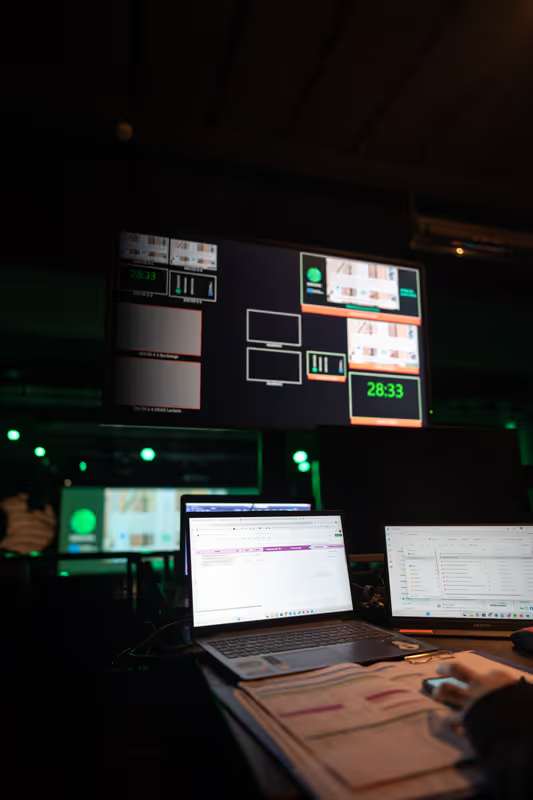
How to navigate times of change and uncertainty in the EU policy sphere
There is no polite way to say it. The last few years are proof that economic and political uncertainty has come to stay for more than just a phase.
Budgets are tighter, sometimes announced late or revised mid-process. International calendars are fragile. Security considerations shift quickly. Political sensitivities sit closer to the surface, whether at national, European or global level, and even in the relationships between institutions themselves. Alliances that once felt stable now require careful reading.
And yet, events continue to exist. People still gather. Conversations still need a room, a format, a moment…perhaps more now than ever before.
We’ve noticed that uncertainty does not only affect logistics. It affects how clients decide, how teams hesitate, how angles are softened, how ambition is sometimes quietly reduced to “something safe”.
So instead of offering another checklist, we want to share a different reflection. One that draws on four books that sit far outside the events industry, but quietly inform how we navigate complexity, tension, and change.
Holding a strong core when everything around you shifts
From Strong Ground by Brené Brown
When circumstances are unstable, the instinct is often to tighten control. To over-justify decisions. To design defensively.
A strong core is something else entirely.
In practice, it means being clear on what an event is actually for. Not the programme on paper, but the intention underneath. What is the real priority, even if the format changes, the budget shrinks, or the guest list shifts?
For events, this shows up everywhere. In deciding what is non-negotiable and what can be adapted. In explaining to stakeholders why certain choices matter. In resisting the pressure to dilute an angle until it says nothing at all.
A strong core gives teams something to stand on when external signals are noisy. Without it, every new constraint feels like a threat. With it, constraints become design parameters rather than blockers.
Choosing curiosity over fear
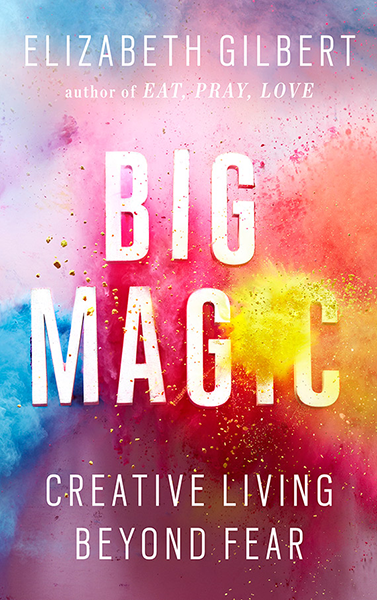
From Big Magic by Elizabeth Gilbert
Fear in events looks more reasonable than dramatic.
It shows up as overly cautious framing. As formats that repeat because they are known to work. As programmes designed to avoid risk rather than create relevance.
Curiosity asks different questions. What is this moment really calling for? Who is actually in the room? What conversation is missing because it feels uncomfortable?
Gilbert tells a story about fear being allowed in the car, but not allowed to drive. That image resonates deeply in our work. Fear will always be present when topics are sensitive or contexts are unstable. The mistake is letting it decide the route.
Curiosity helps teams re-open creative space, even under pressure. It makes room for new formats, sharper angles, and more honest exchanges, while still respecting institutional realities and security constraints.
Paying attention to what happens before the doors open
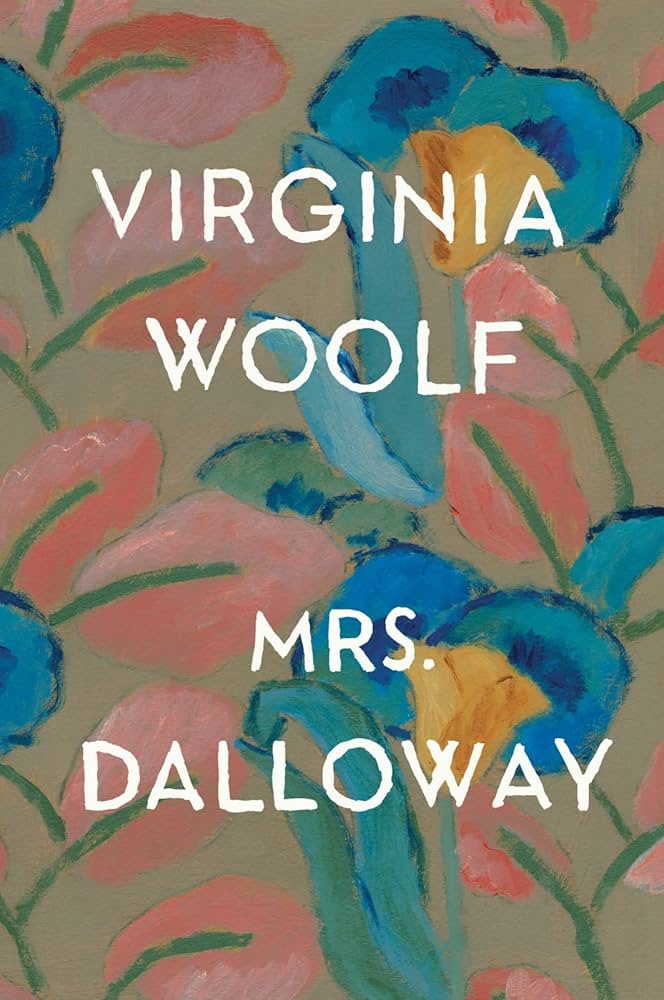
From Mrs Dalloway by Virginia Woolf
One of the quiet lessons of this novel is that meaning often lives in preparation. In the moments before something officially begins.
In events, those moments are usually invisible. Deciding the right date, aligning on the right venue and format, or shortlisting participants and speakers all happen long before an event takes place.
In times of uncertainty, these details matter even more. Institutions crave for reliable partners who can deliver cost-effective solutions and smooth timelines.
Designing the “before” is not decorative. It is a way of holding people as they transition from the pressures of the outside world into a shared moment. It is where trust starts to form, long before content does its work.
Trusting intuition when the map is incomplete
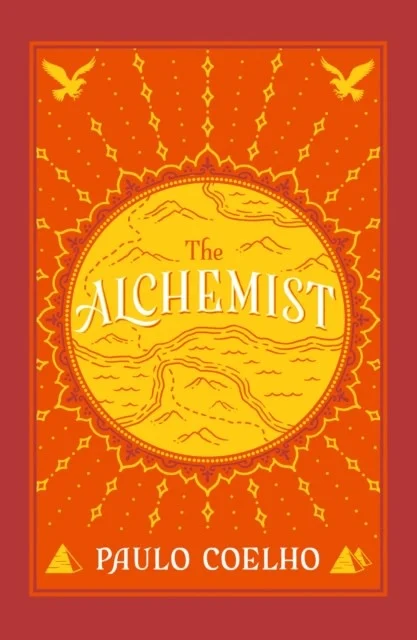
From The Alchemist by Paulo Coelho
Planning events often feels like drawing a map. Timelines, floorplans, protocols, stakeholder matrices.
But in unstable contexts, the map is never complete.
Intuition does not replace expertise. It complements it. It helps teams sense when something feels off, even if it ticks every box. It helps identify when a safer option is actually riskier because it lacks relevance or emotional truth.
Following intuition in events can mean adjusting a flow late in the process. It can mean pushing back on a requested element that does not align with the moment. It can mean trusting that a smaller, well-held format will land better than a larger, diluted one.
What this means for events, right now
Navigating uncertainty starts with acknowledging instability, but still planning ahead with clarity, curiosity, care, and trust.
For us, this translates into how we approach budgets, angles, political sensitivities, and stakeholder expectations. Not by simplifying reality, but by engaging with it honestly.
Events don’t (always) solve geopolitical crises. But they can create spaces where complexity is acknowledged rather than avoided. Where dialogue is possible without being performative. Where people leave feeling slightly more oriented than when they arrived.
In times like these, that is not a small thing.
And it is why how we design events matters more than ever.
If this reflection resonates with questions you are currently navigating, we are always happy to think alongside you. Sometimes the most valuable thing in uncertain times is not a ready-made answer, but a partner who knows how to ask the right questions.
Conclusion
Read more
Discover more of our journals, a treasure trove of valuable insights, practical tips, and industry trends that will take your events to the next level.


.jpg)
.jpg)






.avif)